
Bestsellers
-
 $24.99 $20.00
 -
$24.99 $20.00


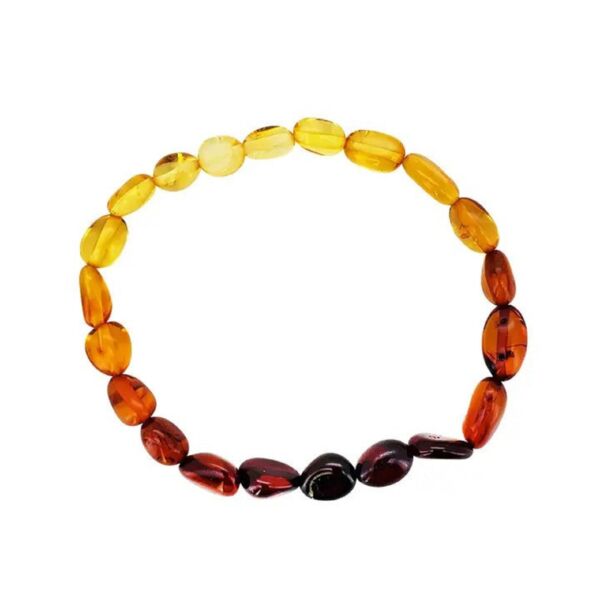
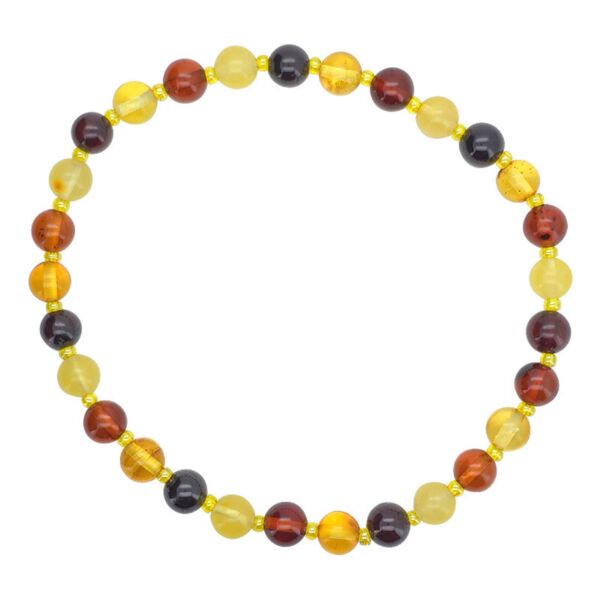

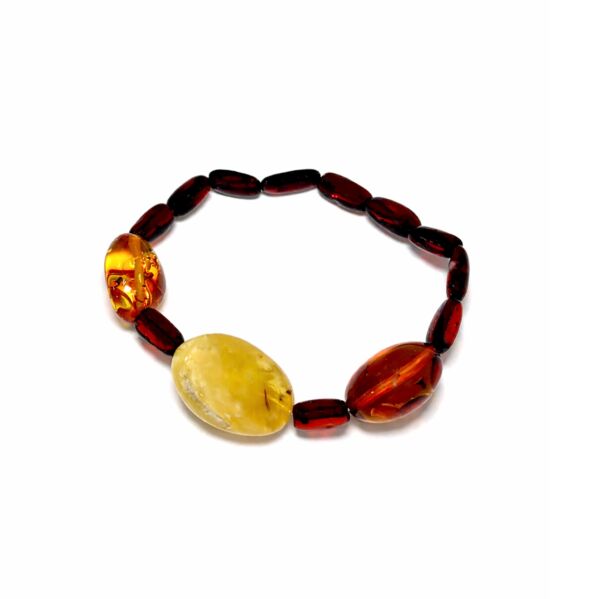
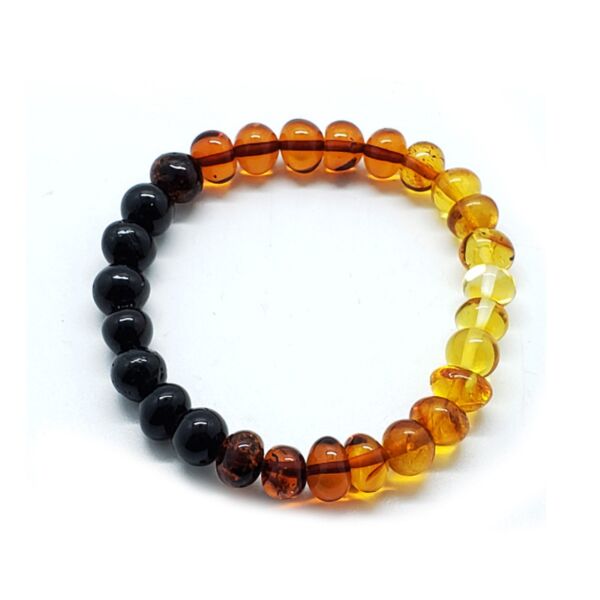
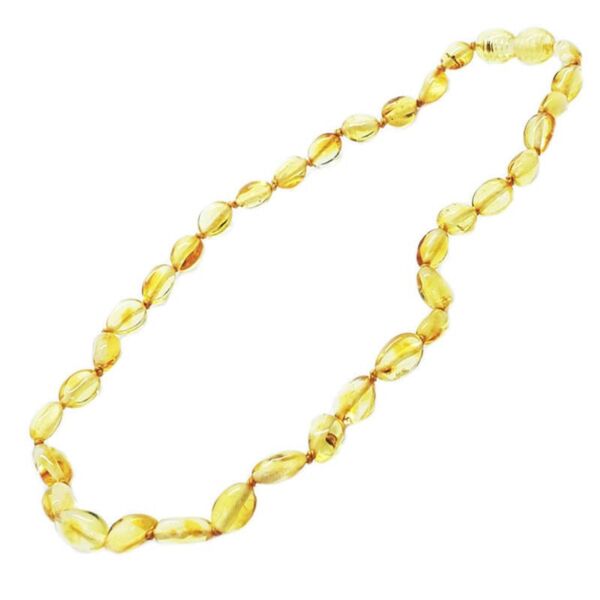
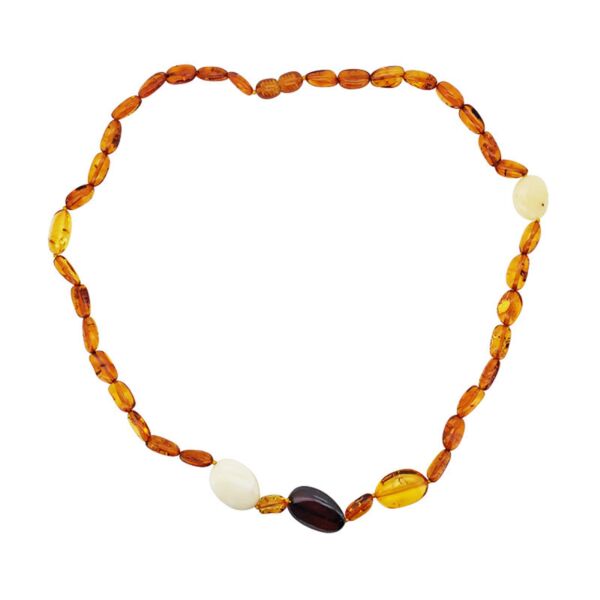

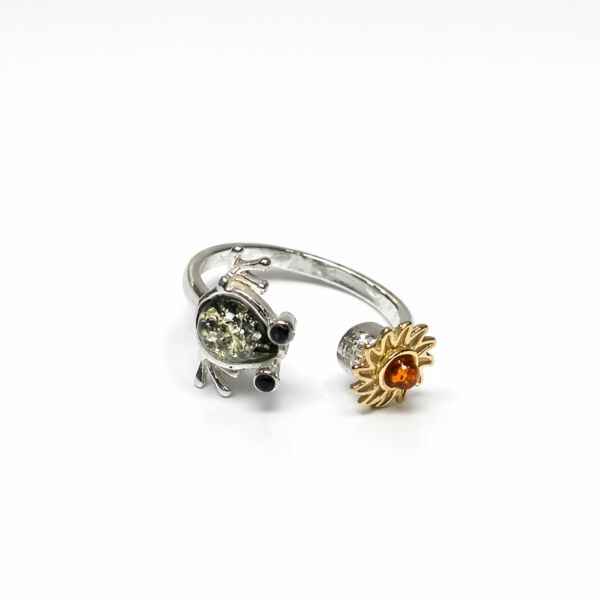
If you currently own a piece of Amber Jewelry and are in the market for the next one or you are a first time buyer, you should know that prices can vary, depending upon the gem's clarity, color and size. Clear Amber is more valuable than pieces that look cloudy or opaque. Inclusions of plants and insects in Amber are not considered a flaw, on the contrary, they can add quite a bit to the price. When it comes to color, rich yellow is the most valuable color of Amber. Red pieces are also considered of high value. The so-called pressed Amber is a chunk of smaller Amber pieces, which were melted and then glued together to create the right size or shape of a gem. This type of Amber is cheaper than solid pieces. An amber gemstone of any color perfectly complements a silver setting and for that reason amber jewelry pieces are usually made with silver. Yellow gold and platinum is usually used only with the stones that range in the lemon, cognac, or brown shades.
As this gemstone is quite soft and fragile, it requires gentle treatment. Store it wrapped in a soft cloth to avoid scratching. Never clean Amber Jewelry with abrasive cleaners. Try not to apply perfume on it and not to wear it while being highly active. Following these simple rules you can enjoy this jewelry for years and pass it on to the generations to come. And if you wonder what to wear with Amber Jewelry, we have the answer for that too! Team it with clothes of warm shades or neutrals, such as khaki, beige, or brown. Depending on the setting, amber can be classy and elegant and easily dress up your outfit. Pick a more subtle piece if you prefer casual wear or bohemian fashion.
Whether you want to wear Amber Jewelry for the great benefits that it claims to provide, or simply to enjoy its beauty and rich history, Amber makes an interesting and fun addition to your jewelry collection and is sure to become a conversation starter and to cause quite a few pleasant compliments!


You have definitely heard about amber at least once in your life! You might have read it among ingredients on a bottle of perfume or seen some pieces of amber jewelry made of it. You could also have heard about the medicinal properties of amber or visited the Amber Room, a world-famous chamber decorated in amber and gold leaf, located in the Catherine Palace, near Saint Petersburg, Russia. Such different contexts, wouldn't you say? So, what is amber, really? Is it a mineral, a crystal or a stone? Actually, it is none and all of the above, at the same time.
Amber has very interesting origins and history. Some of the earliest theories of its origin were of it being derived from sperm whales or being formed from hardened dew. Many debates still continue to rage over this beautiful, ancient gift of nature. However, in the 18th century, amber was scientifically proven to be fossilized resin, which came from extinct trees. Somewhere between 10 and 100 million years ago these resin-bearing trees fell and were carried by rivers to coastal regions, where their resins hardened into amber.
Another interesting fact is that very often these hardened resins contain remnants of both plant and animal parts. Since resin is quite sticky, insects or plants naturally become trapped in it providing scientists with valuable information about what species existed millions of years ago. Geological events and rivers helped amber spread far and near, however, about 90% of the world’s available amber is found in the Kaliningrad region of Russia, which is located on the Baltic Sea.
As far back as the ancient Greeks, amber was ascribed many healing properties and was believed to promote good health or ward off evil spirits. People used to make their children wear amber necklaces around their necks to help relieve pain, associated with teething. Even today it is thought that amber instills confidence in its owner, balances a person's mood, and lessens depression and anxiety.
When amber is heated under the right conditions, amber oil is produced. This oil gives off a characteristic "pinewood" scent, which is used in making perfumes.
It stems from its nature that amber comes in different shapes and in different colors, ranging from pale and golden yellow to very dark brown, and is relatively soft. These qualities make it a popular gemstone among jewelers. Throughout the Middle Ages in Europe amber jewelry was worn only by nobility and was considered to be more precious than gold. Today, this stone continues to be prized for jewelry. Amber gemstones complement silver, as well as white and yellow gold metals. Many artisans use the stone to make beaded necklaces, amber bracelets, amber rings and other fine jewelry.
"These gems have life in them: their colors speak, say what words fail of."
In these words the English writer George Eliot did not refer to any particular gem. However, we think that her words match the description of amber gemstone like no other. Literally and figuratively.


Another fascinating fact about baltic amber is the wide spectrum of colors. It is astonishing to realize that there are, in fact, 7 primary colors and over 250 variations within that coloration. Amber can be absolutely transparent or absolutely opaque. The two main factors that determine the natural amber color are the microscopic bubble inclusions of gas within the gemstone and the source tree. It is also fair to mention that heating helps to enhance amber's natural color or even change it.


About 10% of amber is clear. Its transparency is the result of resin flowing in a shady place free from the influence of the sun and other environmental factors, so gas bubbles did not form. The shade of transparency could change from yellowish to dark red color.
Intrinsically formed by light and ancient life, preserved by time, and washed upon the shores for humanity, amber is one of the world’s oldest and most coveted treasures, a mysterious miracle of nature and a priceless bearer of information, history and knowledge.
www.STPgoods.com